

What are the benefits of using a Zen Chi machine?
- The device utilizes a rhythmic, figure-8 ‘goldfish’ motion.
- Manufacturers claim benefits for circulation, stress, and spinal alignment.
- Scientific evidence for most health claims remains limited.
-
Strict safety precautions are required for those with heart or back issues.
-
The Chi Machine is a passive oscillation tool designed for rhythmic movement, not an active exercise device.
-
It utilizes a unique ‘goldfish motion’ (figure-8 oscillation) to move the legs and lower body.
-
While marketed for various wellness purposes, there is a lack of peer-reviewed clinical evidence to support specific health claims.
-
It is often used by seniors or those with limited mobility to experience movement without strenuous effort.
-
Consult a medical professional before use, particularly if you have heart conditions, recent surgeries, or nerve issues.
Understanding the Zen Chi machine
When exploring the wellness market, many encounter devices that promise a wide array of physiological improvements through minimal effort. One such device is the Chi Machine, often referred to in various forms as a Zen Chi machine. To understand what it is, one must first recognize that it is a passive oscillation tool rather than a machine for active physical activities. Unlike a treadmill or a stationary bike where you must exert force to create movement, this device uses mechanical oscillation to move your body for you.
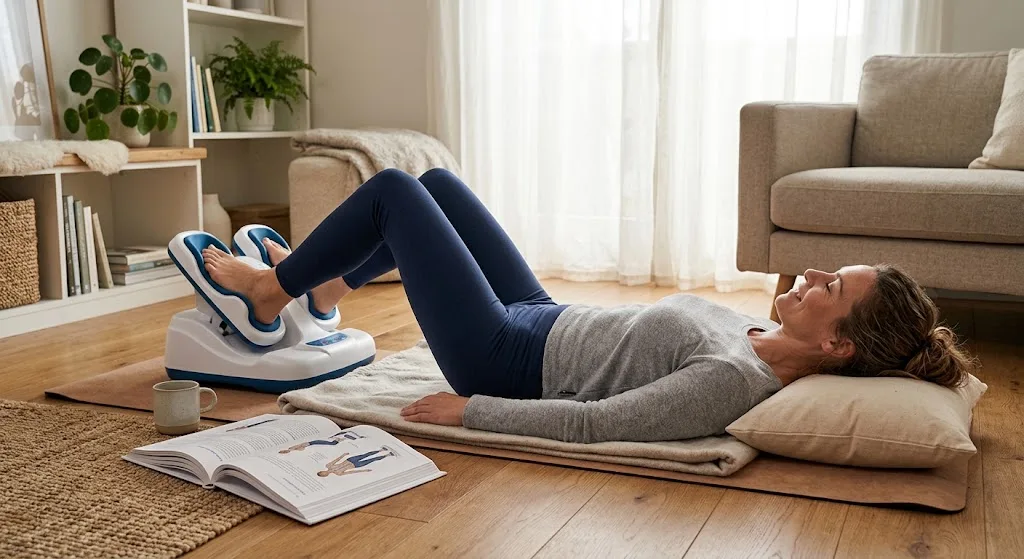
The concept originated in Japan, attributed to the work of Dr. Shizuo Inoue. It is designed primarily for a specific demographic: seniors, individuals with limited mobility, or those who find traditional fitness routines difficult to maintain. For these users, the machine offers a way to experience rhythmic motion without the need for balance or heavy lifting.
However, it is vital to distinguish between a device that provides movement and a device that provides a medically supervised workout. The Chi Machine falls firmly into the category of passive movement, meant to be a supplement to, rather than a replacement for, a healthy lifestyle.
How the mechanical movement works
The core mechanism of the Chi Machine is what manufacturers often call the ‘goldfish motion.’ This is a specific type of figure-8 oscillation that occurs when the device is activated. Unlike a standard vibration plate that moves up and down, the Chi Machine uses a pendulum-like swing that creates a side-to-side, rhythmic motion.
The user lies flat on their back on a firm surface, such as the floor, while their lower legs are placed into a specialized cradle. This cradle supports the weight of the legs, allowing the mechanical swing to translate into a gentle, oscillating movement throughout the lower extremities and, by extension, the torso.
It is crucial to understand that this is not an active exercise in the physiological sense. When you perform traditional exercises, you are actively engaging your muscles to create tension and movement. In contrast, using the Chi Machine involves lying still while the machine’s motor drives the oscillation.
While some may assume exercise only occurs through muscular contraction, the Chi Machine focuses on passive movement. It is a mechanical process where the body follows the rhythm of the cradle. This distinction is important because it manages expectations regarding physical effort and the type of physiological response one can expect from the session.
Exploring the claimed chi machine benefits
Because the device is marketed heavily in the wellness and holistic health sectors, there is a significant amount of information regarding its purported advantages. Many users search for ‘what are the benefits of using a Zen Chi machine?’ expecting a definitive list of medical improvements.

Manufacturers and distributors often claim that the device can assist with blood flow, lymphatic drainage, and even stress reduction. However, a factual approach requires us to separate these marketing claims from established scientific reality. Currently, there is a notable lack of robust, peer-reviewed clinical trials specifically targeting the Chi Machine to validate these specific health outcomes.
| Physical Aspect | Mechanical Action | Marketed Claim |
|---|---|---|
| Circulation | Rhythmic leg oscillation | Improved blood flow |
| Spine | Gentle figure-8 movement | Spinal realignment |
| Lymphatic System | Passive side-to-side motion | Enhanced lymphatic function |
What are the benefits of using a zen chi machine for weight loss?
One of the most common inquiries involves weight management, specifically: ‘What are the benefits of using a Zen Chi machine for weight loss?’ It is important to address this directly with scientific honesty. While some promotional materials might suggest that the oscillations can assist in weight loss, there is no scientific evidence linking passive oscillation to significant calorie burning or the reduction of body fat. Weight loss typically requires a caloric deficit achieved through metabolic activity and nutrition.
Since the Chi Machine requires the user to remain almost entirely still, it does not provide the metabolic demand necessary for fat loss. Any perceived benefits in this area are likely anecdotal rather than based on measurable physiological changes.
Relaxation and stress reduction
Another frequently mentioned benefit is relaxation and stress reduction. Users often report that the repetitive, rhythmic ‘goldfish motion’ helps them feel more calm and centered. From a psychological perspective, rhythmic sensory input can indeed promote a sense of relaxation, similar to the soothing effect of a rocking motion.
However, it is important to differentiate between ‘feeling relaxed’ and ‘treating clinical anxiety.’ While the machine may serve as a tool for temporary relaxation during a session, it should not be viewed as a medical treatment for stress-related disorders or nervous system imbalances. The sense of calm is a subjective experience reported by some users, but it is not a guaranteed clinical outcome.
Benefits of using a Zen Chi machine at home
For many, the primary value of the device lies in the convenience of using a Zen Chi machine at home. For the physically challenged or those experiencing the effects of aging, traditional fitness can be risky or physically impossible. The Chi Machine provides a way to experience a form of movement without the need for standing, balancing, or the high impact associated with many physical activities. This makes it an accessible option for those who may have difficulty navigating a gym or participating in standard wellness programs.
However, it is essential to remember that this device is intended to be a supplement to a healthy lifestyle, not a substitute for it. While it may offer a gentle way to move the body, it does not replace the importance of nutrition, hydration, or the gradual, medically-approved movement required to maintain bone density and muscle mass. It is a tool for comfort and gentle motion, best used as part of a broader approach to well-being that includes other, more active lifestyle choices.
How to use the device safely
To get the most out of any wellness device, and more importantly, to avoid injury, following the manufacturer’s safety guidelines is paramount. Because the machine introduces external movement to your body, you must be mindful of how your body reacts to the oscillations. It is not advisable to jump into long sessions immediately; instead, a gradual approach is necessary to allow your nervous system and musculoskeletal structure to adapt to the new stimulus. Ignoring these guidelines can lead to discomfort or unintended strain, especially for those with existing sensitivities.

Preparation and positioning
Proper preparation is the first step in ensuring a safe session. You should position the Chi Machine on a firm, stable surface to prevent any wobbling or unexpected shifts in the machine’s movement. When positioning yourself, ensure that your body is centered correctly according to the device’s design.
If you are experiencing any discomfort in your lower back or knees, you may find that placing a pillow under your knees provides extra support during the process. It is important to ensure that your feet are positioned correctly in the cradle, with the ankle bone positioned about 1–2 inches (2.5–5.1 cm) over the edge to allow for free movement.
- Drink a small glass of water before use
- Place the machine on a firm surface
- Place a pillow under knees if experiencing pain
- Ensure the ankle bone is 1–2 inches over the cradle edge
Managing session duration
Managing the duration of your sessions is equally important for safety. For first-time users, it is widely recommended to limit sessions to only 2–3 minutes. This allows you to gauge how your body responds to the oscillation. If you are in poor health, some guidelines suggest starting with less than 1 minute. As your body becomes accustomed to the rhythm, you can gradually increase your usage time in 2-minute increments. This cautious approach helps mitigate the risk of overstimulation or unexpected physical reactions.
- Limit first sessions to 2–3 minutes
- Users in poor health should use less than 1 minute
- Increase usage in 2-minute increments
Safety warnings and contraindications
Safety warnings and contraindications must be taken very seriously. The Chi Machine is not suitable for everyone, and certain groups of people should avoid using it entirely unless specifically cleared by a physician. For example, individuals with heart disease, those who are pregnant, or those suffering from serious infections should not use the device.
Furthermore, you should avoid using the machine for at least 3 months following an operation or a bone fracture to ensure that your body has fully healed. It is also recommended not to use the machine within 30 minutes of eating to avoid any discomfort related to digestion.
If you experience any extreme pain during a session, you should stop immediately and investigate the cause. Always consult with a doctor if you have any concerns regarding your health, particularly if you have issues with your back, nerves, or circulatory system. The machine is a mechanical tool, and its impact on your specific body type and health status can vary significantly.
- Avoid use for 3 months after surgery or bone fracture
- Do not use if suffering from heart disease
- Do not use during pregnancy
- Avoid use within 30 minutes of eating
- Consult a physician if you have serious infections
What are the benefits of using a chi machine?
Marketed benefits include improved circulation, lymphatic drainage, and relaxation, though clinical evidence is limited.
How much does a chi machine cost?
Prices vary significantly depending on the brand and model, often ranging from consumer-grade to professional versions.
What is the difference between a chi machine and a vibration plate?
A Chi Machine uses a figure-8 oscillation while lying down, whereas a vibration plate typically uses vertical vibrations while standing.
What are the benefits of using a shiatsu foot massage machine?
Shiatsu machines focus on targeted pressure points on the feet, unlike the full-body passive oscillation of a Chi Machine.
What are the benefits of using a zen chi machine in the gym?
Some users use it for passive recovery between workouts, though it is not a substitute for active training.
Sources
- WikiHow: How to Use the Chi Machine
- The Skimm: Chi Machines Are Gaining Popularity—But Are They Safe?
- Daiwa Felicity: Benefits of Chi Machines
- Wikipedia: Zen
See also
- What is the best chi machine to buy?
- Does a chi machine help with lymphatic drainage?
- Chi Machine Technology Explained
- What Happens During a Chi Machine Session?