
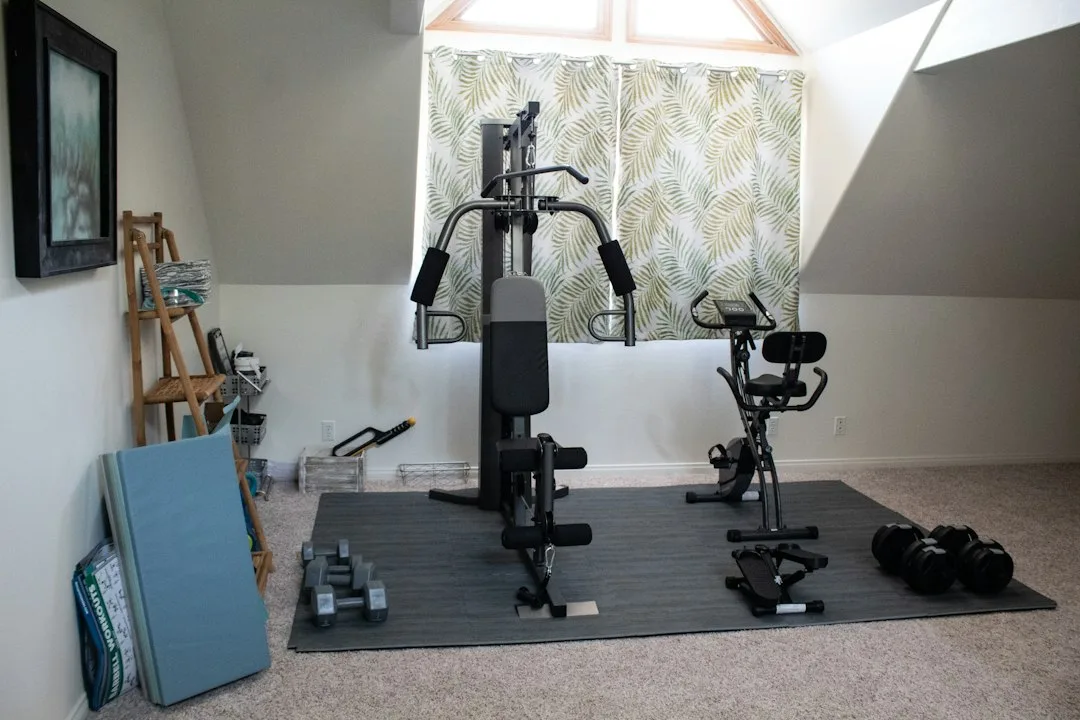
How to Choose the Best Exercise Machines for Home Workouts
- Identify your primary fitness goal (cardio vs. strength) before purchasing.
- Assess your available floor space and ceiling height.
- Prioritize versatile equipment like resistance bands or adjustable dumbbells.
- Consider low-impact options if you are a senior or have joint concerns.
To choose the best exercise machines for home workouts, you must evaluate three primary factors: your specific fitness goals, the available space in your home, and your current physical limitations. For those starting out, versatility and low-impact options are generally more sustainable than high-end, specialized machinery. By distinguishing between cardio and strength equipment and prioritizing mechanical build quality over marketing claims, you can create a functional environment that supports consistent movement without requiring a professional gym membership.
Determining Your Fitness Needs
Selecting the right gear requires an honest assessment of your current physical state and your long-term objectives. Many consumers make the mistake of purchasing high-end machinery that remains unused because it does not fit their actual lifestyle or physical capabilities. Instead of following trends, evaluate your space constraints and the specific types of physical activities you enjoy. Matching the machine’s mechanical function to your physiological needs is the only way to ensure the equipment is effectively utilized.
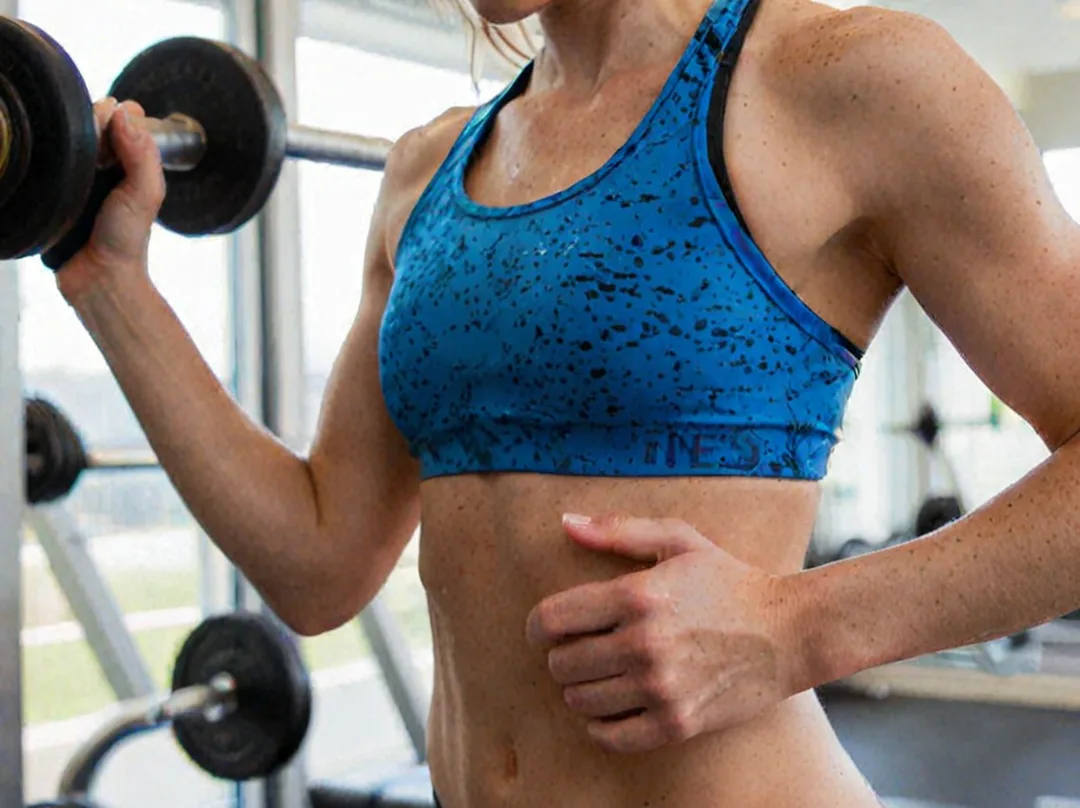
How to choose the best exercise machines for home workouts for beginners
For those starting a fitness journey, the goal should be to lower the barrier to entry. Starting with versatile, low-cost options helps build a habit without a massive financial commitment. Resistance bands are highly recommended for beginners as they provide a wide range of tension for various muscle groups, with some systems offering up to 350lb of resistance.
To save space, adjustable dumbbells are a practical choice; for example, some models offer a range from 11lb to 75lb with 21 different weight increments, replacing the need for multiple individual sets. For those seeking cardiovascular health, skipping ropes provide a high-intensity option with varied rope weights (such as 3oz, 6oz, and 9oz) to adjust the intensity. Focusing on foundational strength and endurance allows a beginner to progress safely before investing in heavy machinery.
- Resistance bands for versatile, low-cost training
- Adjustable dumbbells to save floor space
- Skipping ropes for high-intensity cardiovascular intervals
How to choose the best exercise machines for home workouts for seniors
When selecting equipment for seniors, the primary objective is the protection of joints and the maintenance of mobility. Low-impact machines are essential to reduce the risk of injury. Stationary bikes are a frequent choice, with some offering up to 100 levels of magnetic resistance to allow for a very gradual increase in intensity. Ellipticals are also beneficial, providing smooth, rhythmic movement; some budget-friendly models provide around 16 resistance levels to cater to different capacities.
For core engagement and stability, wellness balls can be used for seated exercises, with high-quality versions supporting weight limits up to 353lb. A critical safety note: individuals with pre-existing back, nerve, or heart conditions must consult a physician before using any exercise machine. These devices should never be viewed as a substitute for medical treatment or prescribed physical therapy.
- Stationary bikes for controlled intensity
- Ellipticals for smooth, non-impact movement
- Wellness balls for seated stability and core engagement
Comparing Machine Types and Performance
Different machines target different physiological systems. While cardio equipment focuses on heart health and caloric expenditure, strength equipment targets muscle hypertrophy and bone density. The “best” machine is rarely a single device but rather the one that fits the specific gap in your current routine. Understanding the difference between passive movement and active resistance is key to evaluating performance.
What is the single best machine for full-body workouts?
While no single machine is perfect for everyone, rowing machines are highly regarded for their ability to engage a vast majority of muscle groups. Research indicates that rowing can target approximately 80% of the body’s muscles during a single session, making it an efficient choice for those with limited time.
For those whose goals are more focused on strength and muscle-building, functional trainers are often the superior choice. These machines use pulley systems to mimic a variety of gym movements, allowing for a wide range of exercises without the need for a spotter. Integrating both a rowing machine for endurance and a functional trainer for strength creates a balanced home environment.
| Machine Category | Primary Benefit | Key Feature |
|---|---|---|
| Treadmill | Cardiovascular endurance | Speeds up to 12.5mph |
| Rowing Machine | Full-body engagement | Targets ~80% of muscles |
| Exercise Bike | Low-impact cardio | Up to 100 resistance levels |
| Elliptical | Joint-friendly movement | 16 resistance levels |
Evaluating Technical Specifications
Beyond the marketing claims, the technical specifications of a machine determine its longevity and effectiveness. A machine that lacks precise resistance increments may hinder “progressive overload,” which is the gradual increase of stress placed upon the body during exercise to continue making gains. Checking the build materials and the accuracy of the tracking software is essential for those who rely on data to monitor their progress.
Comparative Data for Specialized Gear
When selecting weight equipment, always check the specific weight increments. For instance, a jump from 10lb to 20lb may be too aggressive for some users, whereas a system with 21 increments provides a smoother progression. Resistance capacity is equally crucial for heavy-duty training; some smart gyms now offer up to 250 pounds of digital resistance.
For electronic gear, battery life and data accuracy are the primary metrics. High-end stationary bikes can now read data points 1,000 times per second with accuracy levels of +/- 1%, which is vital for athletes tracking precise power output. Evaluating these technical details prevents the purchase of underpowered equipment that the user will quickly outgrow.
| Equipment Type | Weight/Resistance Range | Key Specification |
|---|---|---|
| Adjustable Dumbbells | 11lb to 75lb | 21 weight increments |
| Kettlebell | 5.5kg to 19kg | 14 hours of battery life |
| Resistance Band System | Up to 350lb | 3-piece bow design |
Keeping Your Gear Functional
Routine maintenance is the only way to prevent unexpected mechanical failures. For machines with electronic consoles, it is essential to inspect the power adapter and cabling regularly. If a device fails to power on, the first step is often checking if the AC adapter is damaged or if the wires in the device column are tightly inserted. Replacing a faulty AC adapter is a common and simple fix for most elliptical or bike monitors.
Proper storage also plays a role in the lifespan of the equipment. Keeping machines away from direct sunlight and humidity prevents the degradation of belts and cables. Consistent lubrication of moving parts and regular electrical checks ensure that the device remains safe for daily use.
- Check the AC adapter for any visible damage
- Ensure all wires in the device column are tightly inserted
- Replace the AC adapter if power stability is compromised
What equipment is best for a simple home gym?
For a minimal setup, focus on versatile tools like resistance bands, adjustable dumbbells, and a yoga mat.
How to build a home gym on a budget?
Prioritize multi-functional items such as kettlebells or resistance bands instead of large, single-purpose machines.
What is the best home exercise equipment for beginners?
Beginners often benefit most from low-complexity machines like stationary bikes or basic resistance training tools.
What is the single best machine for full-body workouts?
Rowing machines are frequently cited as the most efficient for full-body muscle engagement.
How much space do I need for a home gym?
Space requirements vary; while bands are compact, machines like the Major Fitness B17 require roughly 37 square feet.
Sources
- Men’s Fitness – Best Home Gym Equipment Review
- Self – Best Home Gym Equipment Guide
- Garage Gym Reviews – Home Gym Comparisons
See also
- Chi Machine Technology Explained
- What Happens During a Chi Machine Session?
- How Chi Machines Support Relaxation and Balance
- Understanding the Infinity Motion of Chi Machines
