

What is the Best Chi Machine to Buy? 2026 Buying Guide
- Variable speed models (like OxyChi) offer better customization than single-speed versions.
- Check motor power and swing frequency (swings per minute) to ensure suitability.
- Look for convenience features like remote controls and auto-shutoff timers.
- Always consult a medical professional before use, especially for back or nerve issues.
What is the best chi machine to buy?
When searching for the best chi machine to buy, the primary goal for most consumers is to find a balance between mechanical reliability and user comfort. A chi machine is essentially a passive exercise device that uses a motorized mechanism to swing the user’s legs back and forth while they lie supine. This movement is intended to simulate a natural, fluid oscillation.

However, the market is often filled with bold health claims. To make an informed purchase, it is necessary to distinguish between the mechanical action of the machine and the therapeutic promises made by some vendors. Mechanically, the machine provides a rhythmic movement that can help the body feel relaxed.
Medicinally, there is a significant lack of rigorous, large-scale clinical trials proving that these machines can “cure” specific diseases or replace medical interventions. The “best” machine is therefore one that is built safely, operates quietly, and allows the user to control the intensity of the motion.
Understanding the technology: What does the Chi Machine do?
The core technology of a chi machine is based on the principle of passive oscillation. Most devices are designed to produce what is known as the “goldfish motion.” This refers to a gentle, side-to-side swinging movement of the lower body that mimics the fluid motion of a fish swimming. Instead of the user engaging their muscles to move, the machine’s motor drives the legs through a predetermined arc.
From a mechanical perspective, this creates a repetitive movement of the hips and legs. Manufacturers often claim that this motion stimulates the lymphatic system, improves blood flow, and enhances the flow of “chi” (vital energy). While the physical sensation of being rocked can be deeply relaxing for many, the scientific reality is more nuanced.
While vibration and oscillation therapies are studied in various medical contexts, the specific “goldfish motion” of the chi machine lacks the robust, peer-reviewed evidence required to make definitive medical claims about internal organ stimulation or systemic healing.
Mechanical oscillation vs. active exercise
It is fundamental to differentiate between passive exercise and active exercise. Active exercise involves voluntary muscle contraction and cardiovascular effort, which strengthens the heart and builds muscle mass. In contrast, a chi machine provides passive movement, meaning the machine performs the work while the muscles remain largely relaxed.
Because there is no significant muscular engagement or aerobic demand, a chi machine is not a substitute for traditional physical therapy or a gym routine. While some proponents suggest that a short session is equivalent to a long walk in terms of cardiovascular benefit, this is a marketing claim rather than a clinically proven fact. The primary value of the device lies in its ability to induce a state of relaxation and provide a gentle range of motion for those who may find active movement difficult.
Key criteria for finding the best chi machine to buy in 2024
Selecting the right chi machine requires looking beyond the marketing language and focusing on the technical specifications. Since the user spends 15 to 30 minutes lying on the device, the quality of the build and the smoothness of the motion are the most critical factors.
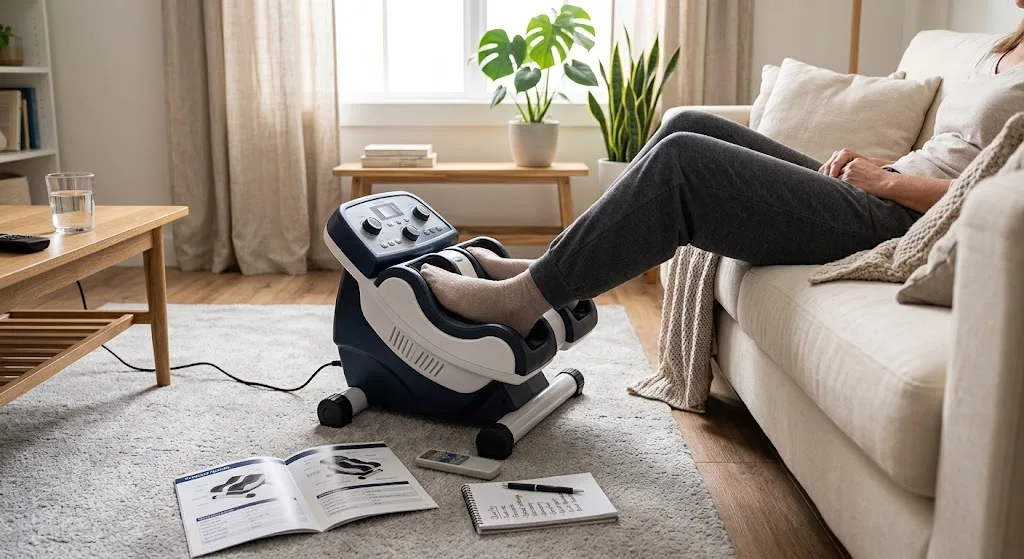
The most important feature to consider is the degree of control over the oscillation. A machine that forces a single speed may be too intense for some or too subtle for others. Therefore, variable speed settings are the hallmark of a high-quality model.
Beyond speed, the durability of the motor and the ergonomics of the padding determine whether the machine is a sustainable investment or a source of discomfort. Convenience features, such as digital timers and remote controls, are also essential for users with limited mobility who cannot easily reach the machine’s manual dials.
Speed and oscillation frequency
Historically, many traditional chi machines operated at a fixed speed, typically around 140 swings per minute. While this frequency is intended to be “optimal” for relaxation, the human body varies significantly in its sensitivity to motion. A fixed speed can sometimes lead to a feeling of instability or discomfort for users with sensitive lower backs.
Modern, high-end models have introduced variable speed mechanisms. For instance, some professional-grade machines now offer a range from 90 to 160 swings per minute. This flexibility allows the user to start at a very slow pace to acclimate their body to the motion and gradually increase the speed as they feel more comfortable. Adjustable speed allows for a personalized experience, making the machine more accessible to elderly users or those recovering from minor injuries.
- Adjustable speed ranges for personalized comfort
- Steady motor power to prevent jerky movements
- Integrated timers to prevent over-use
Comparing top models: What is the best chi machine to buy in the USA?
In the US and global markets, a few brands dominate the landscape, ranging from budget-friendly options found on Amazon to professional-grade devices used in wellness centers. When comparing these models, the distinction usually lies in the motor wattage and the precision of the speed control.
For those seeking a professional-grade experience, models like the OxyChi Bodywave Pro are often highlighted due to their advanced variable speed technology. With up to 20 different speed settings and a motor power of approximately 50 watts, these machines provide a more stable and customizable oscillation compared to entry-level models.
On the other hand, brands like Daiwa offer options such as the Felicity series, which may feature a 12-speed mechanism. These are often positioned as a middle ground, providing more flexibility than fixed-speed machines while remaining more affordable than clinical-grade equipment.
When evaluating these machines, users should look at the motor’s ability to maintain a constant rhythm without jarring movements. A high-wattage, heavy-duty motor is less likely to struggle under the weight of the user, ensuring that the “goldfish motion” remains fluid. Additionally, checking the warranty period—some professional models offer up to two years—is a good indicator of the manufacturer’s confidence in the machine’s longevity.
| Feature | OxyChi 20 Speed Pro | Daiwa Felicity | FlexxiCore |
|---|---|---|---|
| Speed Settings | 20 adjustable levels | 12-speed mechanism | Not specified |
| Swings Per Minute | 90 to 160 spm | Approximately 144 spm | Not specified |
| Motor Power | 50 watts | Not specified | Heavy-duty motor |
Is a Chi Machine right for you? Claims and precautions
Before purchasing a chi machine, it is important to analyze the claims associated with the product through a skeptical lens. You will frequently encounter marketing materials stating that these machines “improve circulation,” “cure insomnia,” or “eliminate chronic pain.” While some users report feeling a sense of wellbeing or a reduction in tension, these are subjective experiences.

From a scientific standpoint, there is no definitive evidence that passive oscillation can cure chronic medical conditions. The feeling of “improved circulation” is often the result of the general relaxation response—where the body shifts from a sympathetic (stress) state to a parasympathetic (rest) state—rather than a direct mechanical manipulation of the blood vessels. Approach these health claims with caution and view the machine as a tool for relaxation and passive movement rather than a medical device.
Important safety warnings before using a Chi Machine
Because the chi machine moves the lower body and spine rhythmically, it is not suitable for everyone. The oscillating force, while gentle, can be problematic for individuals with specific medical conditions.
You must consult a physician before using a chi machine if you have a history of severe back problems, herniated discs, or nerve damage. The passive motion could potentially exacerbate certain spinal instabilities. Furthermore, the device is strictly contraindicated for individuals with pacemakers, as the electronic motor could theoretically interfere with the device.
Those who have undergone recent surgery, particularly in the pelvic or abdominal region, should avoid use until cleared by a surgeon. Finally, pregnant women should seek medical advice before use, as the rhythmic oscillation of the hips may not be advisable during all stages of pregnancy.
### Do chi machines work?
They are effective for providing passive mechanical movement and promoting general relaxation. However, clinical evidence for specific health cures or medical treatments is limited, and they should not replace professional medical care.
### What’s the difference between a chi machine and a vibration plate?
Chi machines use a swinging, oscillating “goldfish” motion to move the legs. Vibration plates use high-frequency vertical or lateral vibrations that affect the entire body while the user stands or sits on them.
### How much does a chi machine cost?
Prices vary widely based on features. Basic, fixed-speed models can often be found for under $100, while professional variable-speed models are significantly more expensive.
### How long should you use a chi machine?
A common recommendation is a 15-minute session. Most quality machines include an auto shut-off timer set to 15 minutes to prevent over-use and ensure safety.
Sources
- Wellness United – OxyChi Product Specifications
- Yogareal – Chi Machine Information
- Electronicshub – Chi Machine Reviews
- Dr. Hugh Wegwerth – Chi Swing Machine Benefits
See also
- Chi Machine Technology Explained
- What Happens During a Chi Machine Session?
- How Chi Machines Support Relaxation and Balance
- Understanding the Infinity Motion of Chi Machines
