
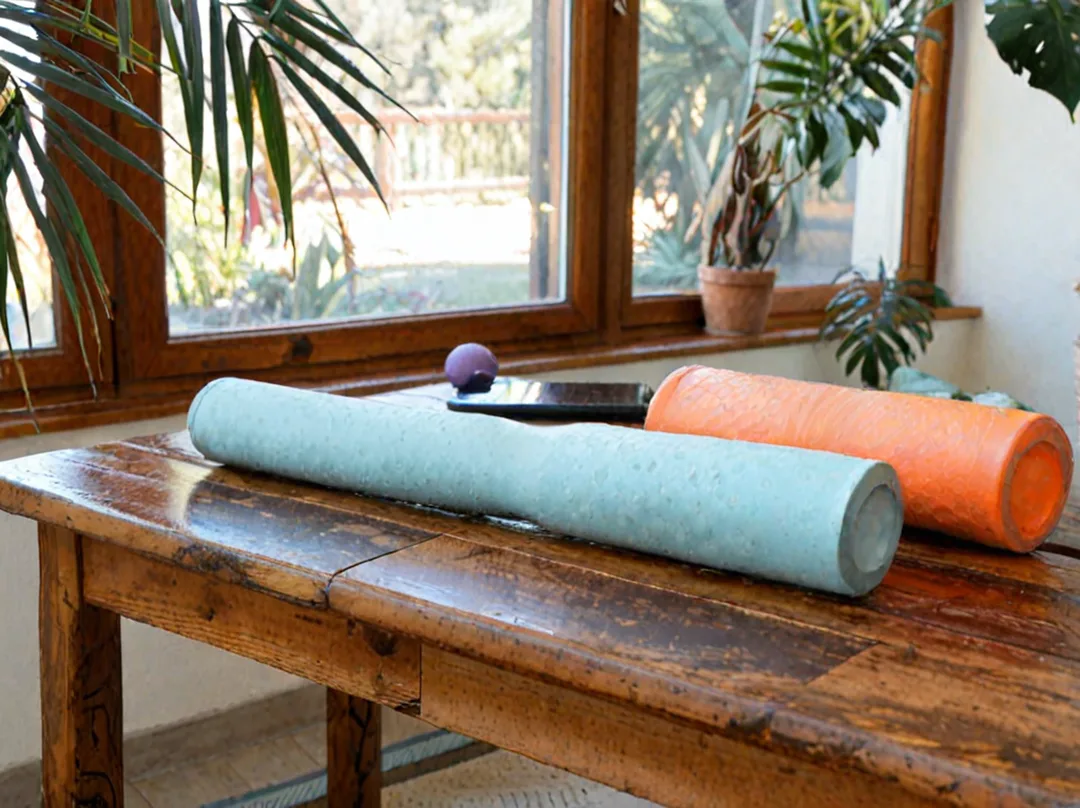
Massage devices or massagers: Types, Features, and Precautions
- Devices range from low-tech foam rollers to high-tech percussive guns
- Mechanical action is distinct from medical passive exercise
- Clinical evidence for many therapeutic claims remains limited
- Medical consultation is mandatory for seniors or those with back/nerve issues
When looking for massage devices or massagers, most users are seeking a way to address muscle tension or stress through the mechanical manipulation of soft tissues. These tools range from low-tech rollers to high-frequency percussive guns, each designed to apply pressure or vibration to the body. While these devices are widely available for home use, it is essential to distinguish between the mechanical action of the tool and the therapeutic claims made by manufacturers, as clinical evidence for many of these benefits is often limited.
Understanding the variety of massage devices or massagers
Massage is defined as the rubbing or kneading of the body’s soft tissues, a process that can be performed using hands, fingers, elbows, or various mechanical devices. The primary purpose of utilizing massage devices or massagers is generally to manage body stress or alleviate pain. In the current market, these tools are broadly categorized into professional-grade equipment used in clinics and portable self massage tools intended for home use.
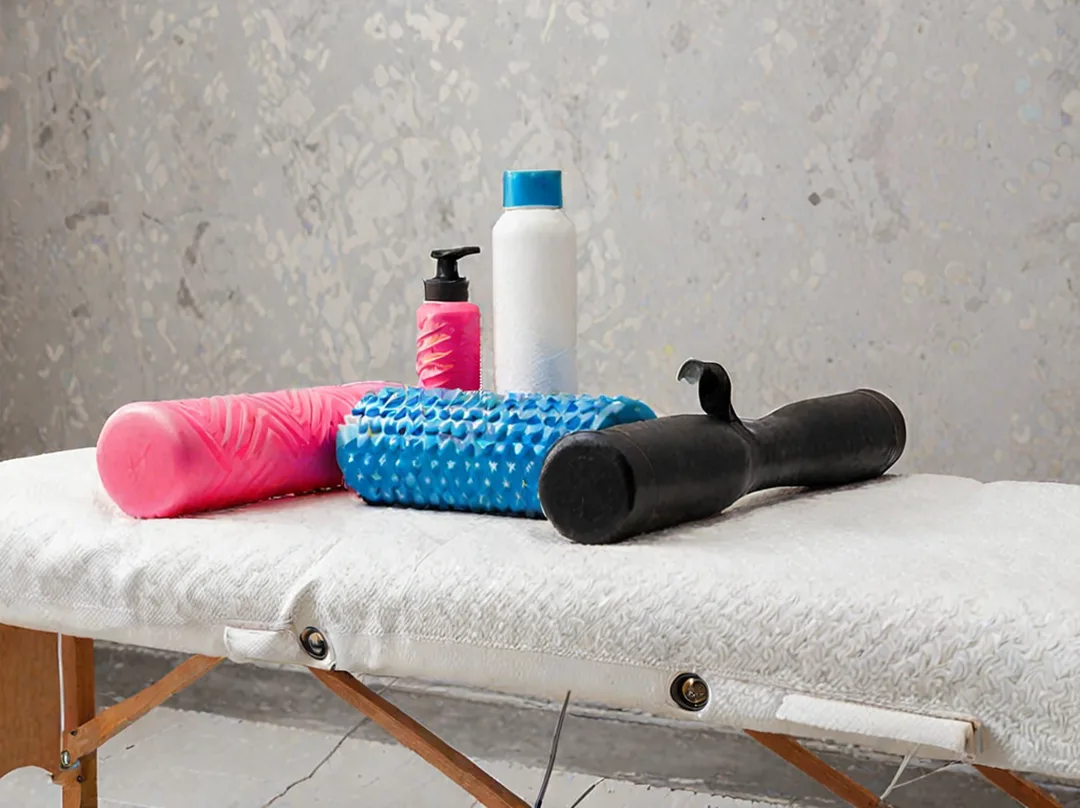
Modern options vary significantly in their mechanical approach. Percussive devices, most notably massage guns, deliver quick, repeated strikes to the muscle, mimicking a Swedish massage technique called tapotement. Vibrating tools, such as acupressure balls, provide high-frequency oscillations, while static rollers—such as high-density foam rollers—rely on the user’s own body weight to apply pressure to the fascia.
Manufacturers frequently claim that these tools improve blood circulation or reduce inflammation to accelerate muscle recovery. However, from a factual standpoint, scientific evidence for these specific therapeutic effects is often scarce. It is essential to distinguish between “passive exercise”—the mechanical movement imposed on the body by a machine—and “therapeutic exercise,” which involves active muscle engagement under medical supervision.
Because these devices apply varying levels of force and vibration, they are not suitable for everyone. Individuals with nerve problems, those with cardiovascular implants, pregnant women, or people recovering from recent surgeries face potential risks. For these sensitive populations, the use of any massager must be preceded by professional medical clearance. A mechanical device should never be positioned as a substitute for a prescribed medical treatment or professional physical therapy.
| Device | Price | Weight | Battery Life |
|---|---|---|---|
| Hypervolt 2 | $229 | 1.8 pounds | ~3 hours |
| Theragun Elite | $399 | N/A | N/A |
| WaveRoller | $180 | 3.3 pounds | ~3 hours |
What is the best massage device?
The choice depends on the goal: foam rollers are effective for budget-friendly myofascial release, while percussive guns are better for targeted muscle knots.
How to choose massage devices or massagers for seniors?
Seniors should prioritize lightweight, low-intensity devices and must consult a physician to ensure the device does not interfere with fragile bones or circulatory issues.
Are there specific massage devices or massagers for couples?
Couples often use handheld devices or massage canes to assist each other, though erotic massage focuses on erogenous zones for pleasure rather than muscular recovery.
Where can I find massage devices or massagers in France or Paris?
These devices are widely available through specialized wellness boutiques and major online retailers across France and Paris.
What is the proper name for a massager?
While ‘massager’ is common, the professional providing the treatment is called a massage therapist (US) or a masseur/masseuse.
Sources
- Wikipedia – Massage – en.wikipedia.org
- Self – Best Massage Tools
- Wired – Best Massagers
- Wikipedia – Erotic massage – en.wikipedia.org
See also
- Chi Machine Technology Explained
- What Happens During a Chi Machine Session?
- How Chi Machines Support Relaxation and Balance
- Understanding the Infinity Motion of Chi Machines